Artemis Logistics: 22 Launches Now Estimated for Lunar Fueling
A new NASA advisory panel estimate suggests SpaceX may need nearly two dozen flights to refuel the Moon lander, raising concerns about the current decade's timeline.
By Tunde Adeyemi ·
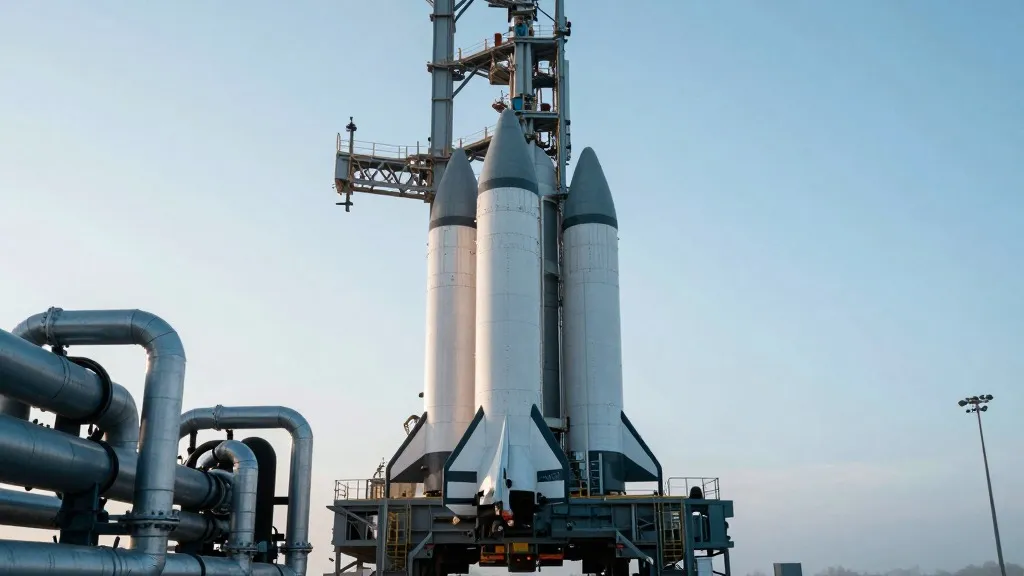
NASA has finally stopped dancing around a specific number that has eluded the agency for years. On Thursday, during the quarterly meeting of the NASA Aerospace Safety Advisory Panel, the organization provided a fresh estimate regarding the Artemis program. The focus was on how many times SpaceX’s Starship rocket must fly to low-Earth orbit to provide enough fuel for a lunar lander to travel to the Moon, land, and return to lunar orbit. This figure, which was previously treated with near-nuclear secrecy, is now pegged at 22 launches.
The number 22 represents a significant shift in planning parameters. In 2023, Lisa Watson-Morgan, who served as the director of NASA’s Human Landing System, described the requirement to Ars as being in the "high single digits to the low double digits." That estimate implied roughly a dozen flights, a manageable but substantial logistical undertaking for SpaceX. It would involve launching one "depot" vehicle and eleven "tanker" vehicles to load liquid oxygen and methane propellant. Other officials had occasionally cited the "high teens," but the new figure of 22 pushes the total higher than many had publicly anticipated.
The discrepancy between the old and new numbers stems from uncertainties regarding the lift capacity of the Starship vehicle. The underlying hope has always been that SpaceX would dramatically improve the rocket’s payload capability, thereby reducing the number of tanker flights required. If the rocket becomes more efficient, the fueling operations become less frequent and less complex. However, the latest assessment suggests that these improvements may not be arriving on the schedule necessary to keep the Artemis timeline intact.
Charlie Precourt, a former NASA astronaut and current member of the advisory panel, raised these points during the Thursday session. He spoke specifically about the risks associated with landing humans on the Moon and the logistical hurdles involved in getting them there. The panel’s discussion highlighted that while the technology is advancing, the sheer volume of required launches remains a critical variable in the mission’s success.
For readers in New England and across the country, the stakes are high. NASA’s goal is to return humans to the Moon this decade. If the number of required Starship launches is indeed 22, and if the pace of those launches does not accelerate, the timeline for a crewed lunar landing could slip. The agency does not want to miss this window, but the logistics of fueling a spacecraft in orbit are complex and unforgiving of delays.
The revelation that the number is 22, rather than the previously hinted dozen or high teens, adds a layer of urgency to the partnership between NASA and SpaceX. It underscores that the path to the Moon is not just about building a lander, but about perfecting the refueling process in orbit. As the agency moves forward, the focus will remain on whether Starship’s performance can catch up to the logistical demands of the Artemis program.
Source: Ars Technica