Ukrainian Drone Campaign Strains Russian-Held Crimea as Shortages Mount
A sharp escalation in Ukrainian air and sea drone attacks has disrupted power, water, fuel and supply shipping on the Russian-controlled peninsula, though Kyiv says it is not trying to retake it for now.
By Juan Gonzalez ·
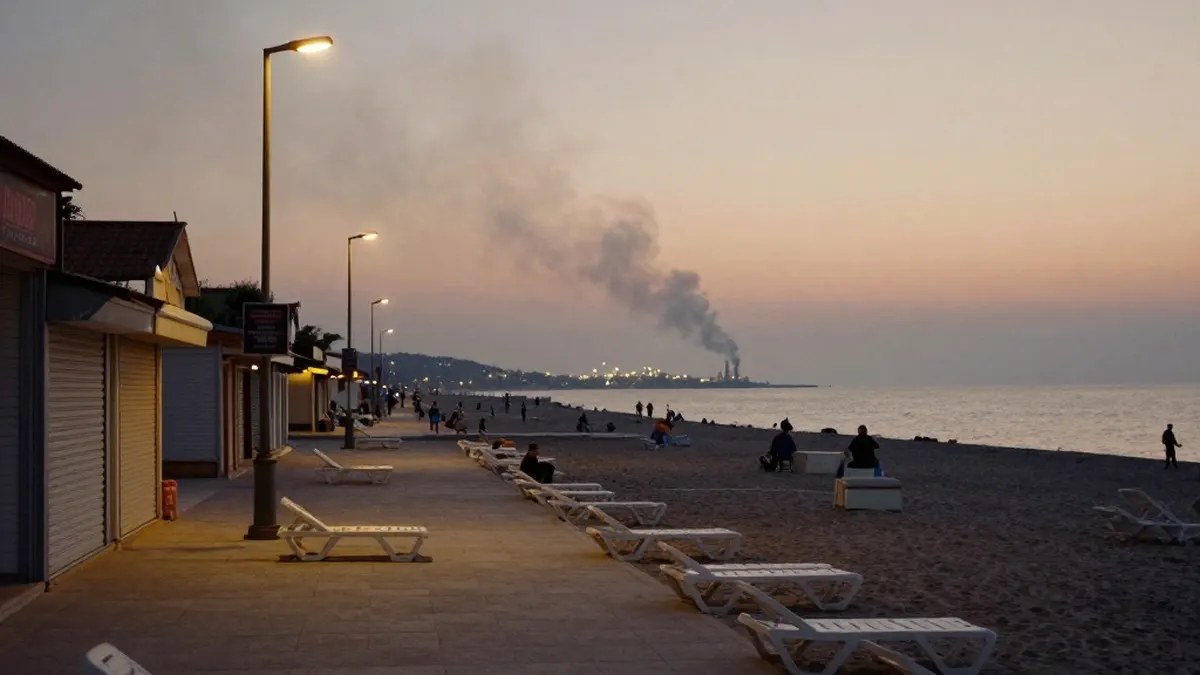
Crimea, the Black Sea peninsula that usually fills with vacationing families in summer, is suffering through a very different season. Ukrainian drone strikes have intensified sharply over the past couple of months, and daily life for residents is deteriorating.
One Russian woman described the situation on social media: transportation at a standstill, no gasoline, fuel or power, shuttered stores and banks, and no water. Few had anticipated such conditions on a territory Russia has held since 2014, when it was the first place Vladimir Putin seized. An estimated 1 million Russian troops and civilians have moved there since, and with many Ukrainians having left, the population is now put at about 2.5 million.
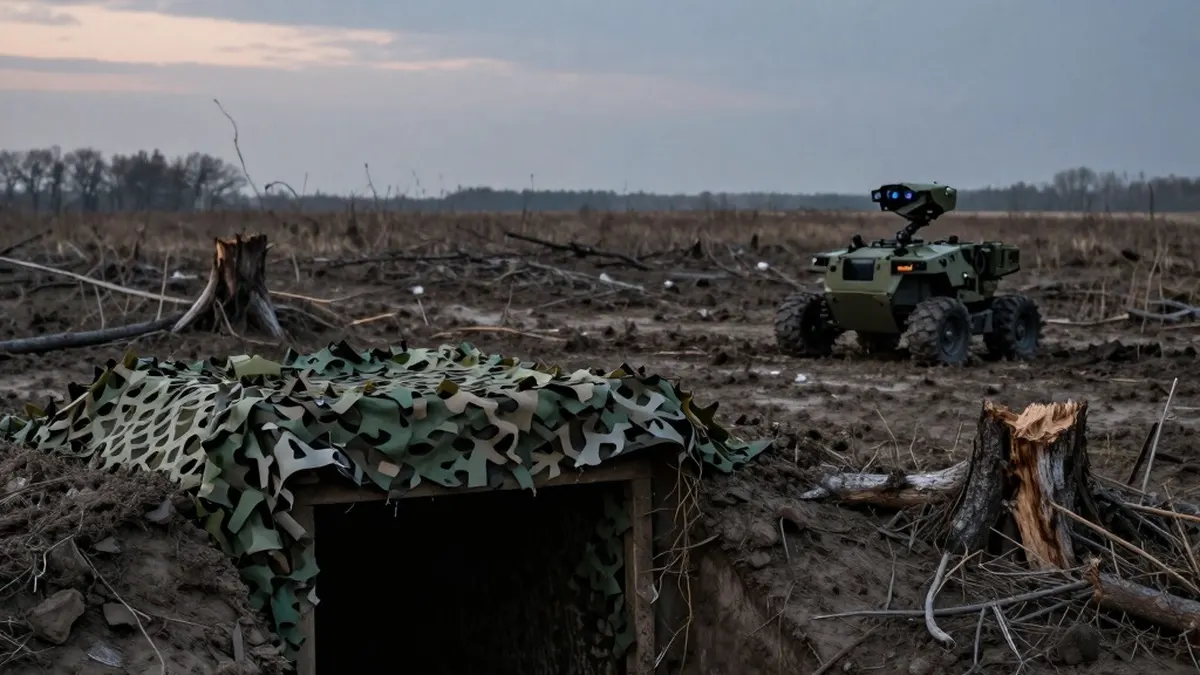
Ukraine has long promised to take the peninsula back and has staged occasional drone attacks in recent years, with limited results. The current campaign is far heavier. Russian military sites have been hit hard, particularly in northern Crimea, and the strikes have cut electricity, cell service and water for extended stretches. Because Crimea depends heavily on imports, shortages of basic services keep worsening.
Ukrainian forces are also going after the vessels that carry food, fuel and other goods from Russia. Ukraine's military says that in the past month it hit more than 130 Russian vessels in the Sea of Azov and more than 80 in the Black Sea. Navy spokesman Dmytro Pletenchuk said Russia "overestimated its own naval power" and is now at "a logistics dead end," adding that Moscow needs about six months to match Ukrainian technology that keeps improving.
Mark Montgomery, a retired U.S. Navy rear admiral who regularly helps train Ukraine's military, said Putin faces a serious problem. "You cannot keep that many people in a place with limited water, no fuel, limited foodstuffs," he said, predicting people will have to leave. He called Ukraine's navy "the most successful navy in the world without having a ship get underway for a day."
That success follows heavy losses. Russia destroyed most of Ukraine's fleet in 2014, and Ukraine deliberately sank its last major ship at the start of the 2022 full-scale invasion rather than let it be captured. Ukraine nonetheless damaged or sank more than two dozen Russian ships and submarines, mostly with missiles fired from the mainland, prompting Russia to pull most of its warships back to ports on the Black Sea's eastern side. Ukraine has since become the first country to field powerful sea drones that operate on and beneath the surface. Montgomery said they are small and hard to track, so Russia can control the coastline without seeing what happens in the middle of the Sea of Azov.
Russia is hitting back. Its navy has struck international cargo ships that come to load Ukrainian corn, wheat and sunflower oil near Odessa. Ten sailors died in one recent attack, and Hanna Shelest of the Ukrainian Prism think tank says most foreign shipping has now been frightened off. With the harvest at its peak and the main export route lost, Ukraine is turning to less efficient land routes, and its strained economy is expected to take another hit.
Military analysts say Ukraine's forces cannot currently mount an offensive to retake Crimea. President Volodymyr Zelenskyy recently told Fox News that Kyiv is not trying to recapture the peninsula, at least for now, saying the most important thing is "not to lose people." Putin, who called Crimea "an inseparable part of Russia" when he seized it 12 years ago, has stayed conspicuously silent about the troubles there.
Source: KJZZ